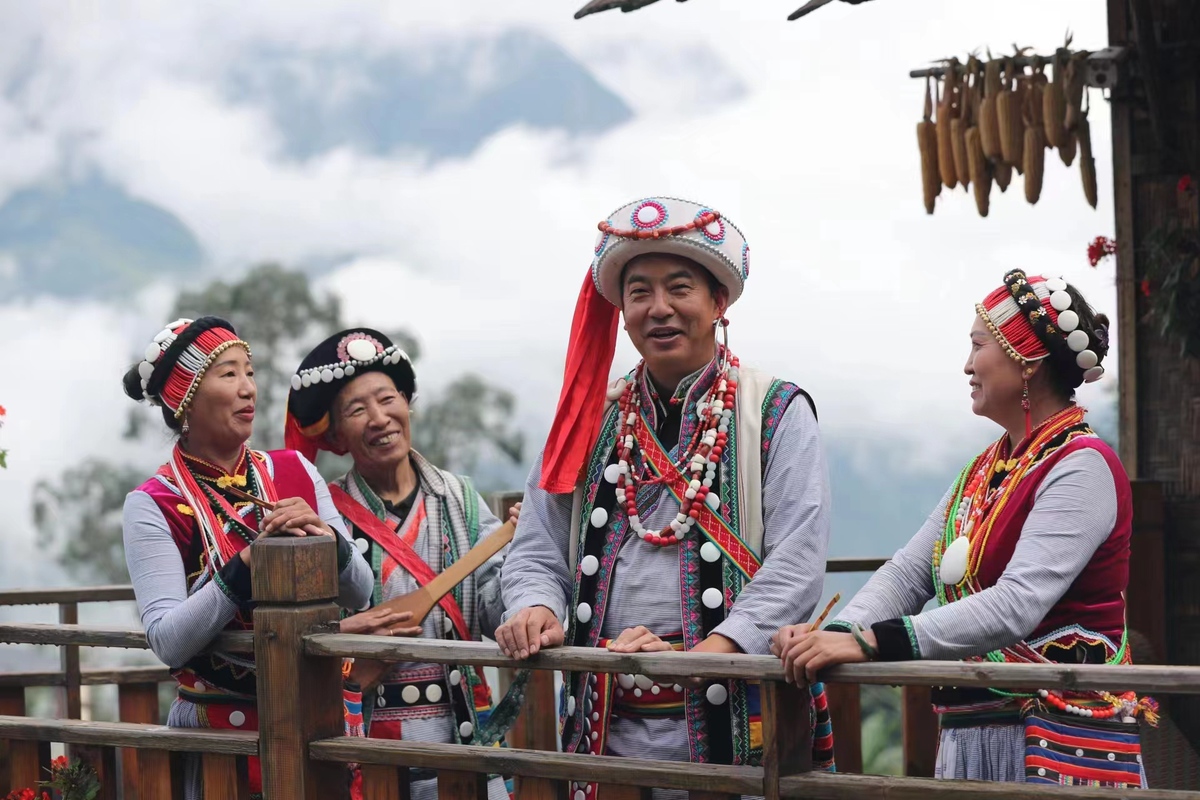
Nu Ethnic Group
Introduction
The Nu ethnic group is one of the recognized ethnic groups in China, primarily residing in the mountainous regions of Yunnan province. Known for their rich cultural heritage and vibrant traditions, the Nu people have maintained a close connection with their natural surroundings, which significantly influences their way of life. The Nu ethnic group is known for its hospitality, which has become a cornerstone of the burgeoning agritourism industry in their region. This welcoming nature, combined with the picturesque landscapes of their homeland, has made areas such as Laomudeng village popular destinations for visitors.
History
The history of the Nu ethnic group is deeply intertwined with the geographical and cultural evolution of the mountainous regions they inhabit. Traditionally, the Nu people have been known for their unique social structures, which were historically influenced by early matriarchal systems. Such systems played a pivotal role in shaping their cultural and societal norms. Over time, the Nu people have adapted to external influences while preserving their unique cultural identity, which is evident in their traditional festivals and customs.
Population and Distribution
This region, named after the Nujiang River, provides a natural habitat conducive to the traditional lifestyle of the Nu people. The challenging terrain has historically limited their interaction with outside communities, allowing them to preserve their distinct cultural identity. However, there are also smaller populations of Nu people living in adjacent areas, often sharing cultural and economic ties with other ethnic groups in the region. The population distribution is largely influenced by the geographical features of the region, with communities primarily situated in valleys and along riverbanks.
Language and Writing
The Nu ethnic group speaks the Nu language, which belongs to the Tibeto-Burman language family. The Nu language is an integral part of their cultural identity, rich in oral traditions that have been passed down through generations. However, the Nu language does not have a widely used written form, which has posed challenges for cultural preservation in the face of modernization. Efforts to document and promote the language are ongoing, often focusing on integrating linguistic elements into cultural promotions and educational programs.
Culture
The culture of the Nu ethnic group is a vibrant tapestry of traditions, crafts, and celebrations that reflect their deep connection to nature and community life. Their cultural practices are designed not only to preserve their heritage but also to adapt to changing times while maintaining their unique identity.
Traditional Clothing
Traditional clothing of the Nu people is emblematic of their cultural identity, characterized by bright colors and intricate patterns. These garments are often handmade, reflecting the Nu people's craftsmanship and artistic sensibilities. Traditional attire varies by gender and occasion, with specific designs reserved for festivals and ceremonies. Clothing is often crafted from locally sourced materials, incorporating elements from their natural surroundings into their attire.
Cuisine
Nu cuisine is heavily influenced by the natural resources available in their mountainous region. It is marked by the use of locally sourced ingredients such as wild vegetables, herbs, and meats. Traditional cooking methods rely on sustainability and the preservation of natural flavors. The diet of the Nu people is simple yet nourishing, often centered around staple foods like rice combined with foraged produce, reflecting their deep connection with the land.
Festivals
One of the most significant is the Fairy Festival, held annually and lasting for three days. This festival includes activities such as worshipping the Fairy Cave, welcoming holy water, and engaging in singing, dancing, and sports competitions.
Handicraft
Handicrafts are an essential component of Nu culture, serving both functional and decorative purposes. Skilled artisans create a variety of crafts, including textiles and musical instruments, often using traditional techniques passed down through generations. These crafts are not only a means of cultural expression but also contribute to the local economy, particularly through tourism, as visitors often seek to purchase authentic Nu-made goods as souvenirs.
Economy
The economy of the Nu ethnic group has traditionally been based on agriculture and animal husbandry, with recent developments in agritourism contributing significantly to their economic landscape. The establishment of inns and the development of a local tea brand have provided new income streams, enabling the Nu people to leverage their cultural heritage as an economic asset. Additionally, cooperative efforts in agriculture have allowed for the expansion of local specialty products, such as tea, which are increasingly marketed to external buyers.
Cultural Preservation and Promotion
Preserving and promoting Nu cultural heritage is a priority for the community, recognizing the challenges posed by modernization and globalization. Efforts include the documentation of traditional music, like the odede style, and the creation of spaces for cultural exchange and learning. Programs to teach young generations about their cultural heritage are also in place, ensuring that traditional knowledge and skills are passed down. Through these initiatives, the Nu ethnic group continues to celebrate and preserve their rich cultural identity.








